Engaging Introduction
In recent years, wearable health technology has emerged as a groundbreaking trend in personal health management, fundamentally transforming the way individuals monitor and manage their well-being. These innovative devices, ranging from fitness trackers to smartwatches, have become integral in the daily lives of many, allowing users to keep a close watch on numerous health metrics including heart rate, physical activity, sleep patterns, and even stress levels.
As we navigate an increasingly fast-paced world, the integration of technology into our everyday routines has never been more vital. Wearable health devices empower users by providing real-time data that fosters informed decision-making regarding lifestyle choices, ultimately promoting a proactive approach to health management. For instance, a fitness tracker might encourage a user to engage in more physical activity or lead them to reevaluate their sleep hygiene based on recorded patterns.
This trend signifies a broader movement towards self-optimization, where individuals strive to take charge of their health and wellness in a manner that was once unimaginable. The rapid advancement in technology has made it possible to access sophisticated health insights, which were previously confined to clinical settings or required appointments with healthcare professionals. Now, data previously reserved for medical examinations can be captured, analyzed, and interpreted right on one’s wrist.
As wearable health technologies continue to evolve, their presence in the consumer market grows, making the support of personal health management more accessible than ever. By embracing these devices, individuals not only enhance their understanding of their body but also adapt their daily routines to cultivate a healthier lifestyle, leading to improved overall wellness. This transformation underscores the significance of being attuned to one’s health in an age where time is often of the essence.
Understanding Wearable Devices
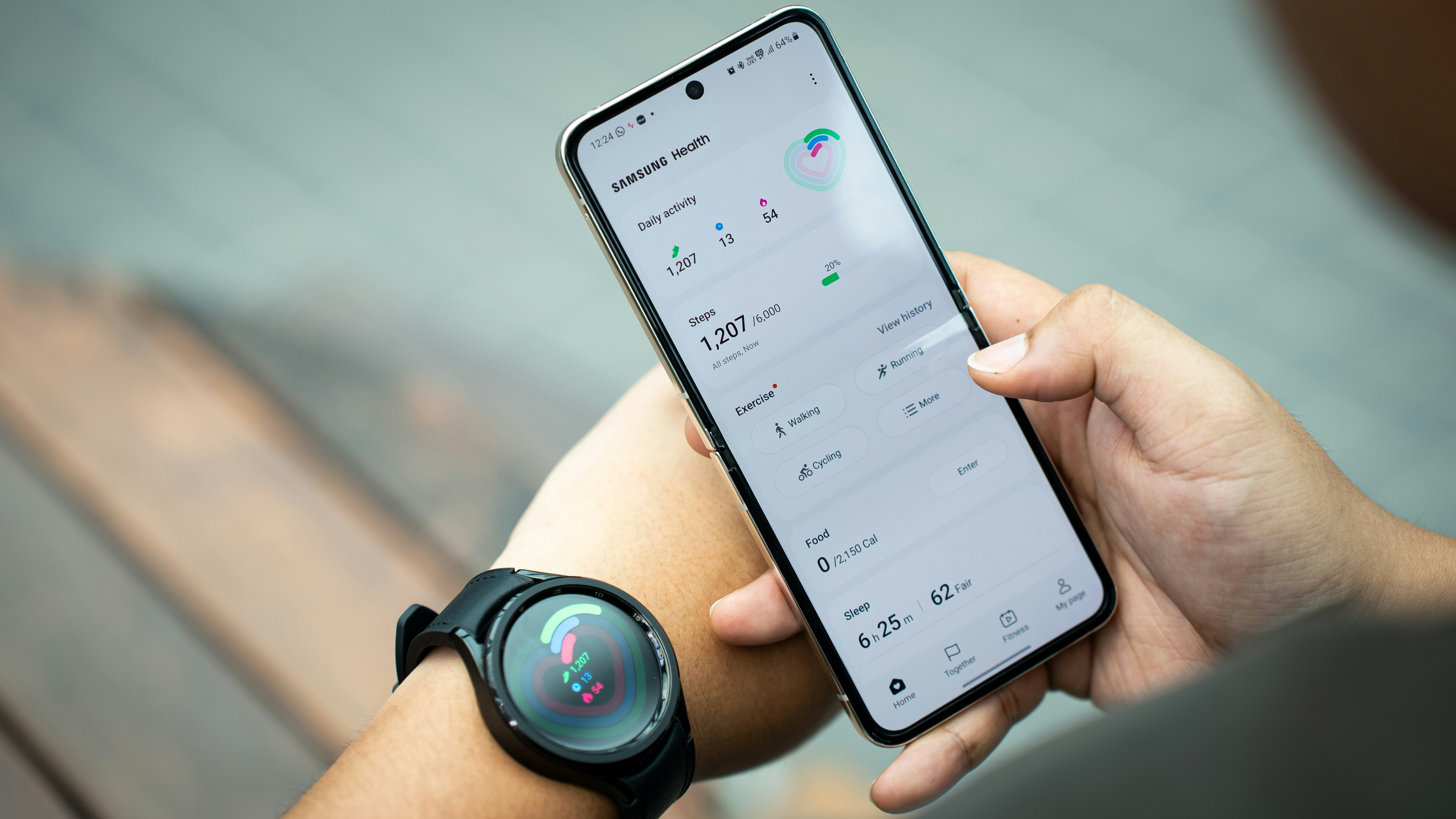
Wearable health technology has seen a remarkable rise in popularity, manifesting in various forms such as smartwatches, fitness trackers, and health monitoring devices. These gadgets are specifically designed to be worn on the body, providing users with real-time health data and insights that were once the domain of clinical settings.
Smartwatches are perhaps the most recognized category of wearable devices. They not only tell time but also serve as comprehensive health monitors. Equipped with features like heart rate monitoring, step counting, sleep tracking, and even ECG readings, smartwatches enable users to manage their health proactively. Major brands like Apple and Fitbit have made significant strides in integrating health features into their devices, enhancing user experience and functionality.
Fitness trackers, on the other hand, focus primarily on fitness-related metrics. They provide detailed statistics on daily physical activity, calories burned, and workout intensity. Their primary purpose is to motivate users to maintain an active lifestyle, and they often come with customizable fitness goals. Unlike traditional health monitoring methods, which often require visits to health care professionals, wearable fitness trackers put health management directly in the hands of users.
Another notable category includes health monitoring devices specifically aimed at chronic conditions, such as glucose monitors and blood pressure monitors. These devices can transmit critical health data directly to healthcare providers, facilitating timely interventions without the need for traditional office visits.
Overall, the increasing accessibility of wearable technology has empowered individuals to take charge of their health and wellness. Their ease of use, coupled with advanced functionality, represents a significant shift from conventional health monitoring systems. As technology continues to evolve, the ways in which these devices integrate into our daily health management will likely become even more sophisticated, further enhancing their impact on routine wellness.
How Wearable Technology Monitors Health Metrics
Wearable health technology has rapidly evolved, enhancing our ability to monitor various health metrics in real-time. These devices encompass a range of functionalities, primarily focusing on tracking heart rate, sleep patterns, physical activity levels, and even stress indicators. Understanding how these metrics are monitored is essential for grasping the implications of wearable technology on daily wellness.
Heart rate monitoring is one of the critical features of wearable devices. Most modern wearables employ photoplethysmography (PPG), which uses light to measure blood volume changes in the skin, providing continuous heart rate tracking. This technology allows users to monitor their heart rates during different activities, enabling more personalized fitness regimens and early detection of potential health issues.
Sleep tracking is another prominent metric that wearables analyze through various sensors that detect movement and changes in body temperature. By assessing user behavior throughout the night, these devices can provide insights into sleep quality and duration, helping users identify patterns that may affect overall health. Understanding sleep cycles, including REM and deep sleep, can assist in improving sleep hygiene and wellness.
Moreover, wearables enable the tracking of physical activity levels by utilizing accelerometers and gyroscopes to measure movement and orientation. This data is crucial for individuals aiming to meet fitness goals, as it provides valuable insights into daily activity, including steps taken, calories burned, and exercise intensity. Additionally, some devices offer integration with GPS for more accurate distance tracking during outdoor activities.
The continuous growth of wearable technology implies that data accuracy and reliability are paramount, leading to advancements in sensors and algorithms. Through precise tracking and analysis of these health metrics, users are empowered to take control of their wellness journey, reinforcing the significance of such wearable devices in contemporary health management.
Benefits of Wearable Health Technology for Preventive Healthcare
Wearable health technology has made significant strides in transforming how individuals approach their overall health and wellness, particularly in the realm of preventive healthcare. The ability of these devices to deliver real-time data on various health metrics enables users to detect potential health issues before they escalate into more serious conditions.
One prominent advantage of wearable health technology is its capability for constant monitoring. For instance, devices that track heart rate, blood pressure, and even glucose levels equip users with critical information about their health status. A study revealed that patients using wearable devices reported a 20% increased likelihood of discovering early signs of conditions such as hypertension or diabetes compared to those without such technology. Early diagnosis can lead to more effective management of health conditions, which is key to preventing complications.
Moreover, wearable health technology supports users in making necessary lifestyle adjustments. Many devices offer personalized feedback and insights based on individual history and health data, encouraging proactive health management. For example, a fitness tracker might motivate users to increase their physical activity by setting daily step goals or prompting them to maintain hydration. These small yet impactful changes can lead to a notable improvement in significant health parameters over time.
Additionally, the integration of wearable technology with mobile health applications can further enhance healthcare outcomes. Many apps now allow users to share their health data with healthcare providers, fostering a collaborative approach to preventive care. This connectivity not only encourages accountability but also aids in tailoring health interventions to suit individual needs.
In light of these benefits, it is evident that wearable health technology serves as a powerful tool in preventive healthcare, equipping users with the knowledge and motivation to take charge of their health, thereby facilitating a lifestyle that emphasizes prevention and wellness.
The Role of Wearable Technology in Digital Wellness
Wearable health technology has emerged as a pivotal element in the broader concept of digital wellness, which encompasses the holistic balance between technology use and personal well-being. These devices, including smartwatches and fitness trackers, not only monitor physical health metrics like heart rate and activity levels but also promote a greater understanding of one’s digital consumption patterns. This understanding encourages users to strive for a more balanced lifestyle, ultimately enhancing their overall wellness.
One significant way wearable technology contributes to digital wellness is by facilitating a reduction in excessive screen time. Traditional screens, whether from smartphones or computers, can lead to mental fatigue and a sedentary lifestyle. In contrast, wearable devices encourage users to engage in physical activities by providing timely reminders and motivational feedback. This can effectively counteract the negative implications of prolonged screen exposure, promoting a proactive approach to physical health while also nurturing mental fitness.
Moreover, the integration of health monitoring features within wearables allows individuals to make more informed decisions regarding their daily habits. For instance, many wearables come equipped with sleep tracking capabilities, which assist users in optimizing their rest patterns. Quality sleep is a key component of holistic wellness, playing a crucial role in mental acuity and emotional stability. By understanding and improving sleep quality, users can enhance not only their physical health but also their mental well-being.
In conclusion, the role of wearable technology in fostering digital wellness is multifaceted, addressing issues related to screen time, physical activity, and overall lifestyle balance. As technology continues to advance, these devices will increasingly serve as essential tools in achieving a harmonious relationship with our digital environment, ultimately enhancing daily wellness.
Current Trends in Wearable Health Technology
The landscape of wearable health technology has evolved significantly in recent years, driven by advancements in design, functionality, and interoperability with various health platforms. One notable trend is the emergence of biometric sensors integrated into wearables. These sensors enable users to monitor a wide range of health metrics, such as heart rate, oxygen saturation, sleep patterns, and even glucose levels in real time. Such features not only provide valuable insights into one’s health but also facilitate proactive health management, encouraging individuals to take control of their wellness journey.
Real-time data tracking is another prominent aspect of wearable technology, allowing users to receive immediate feedback on their physiological states. This continuous monitoring capability fosters a culture of awareness and empowers users to make informed decisions regarding their health. As wearables become increasingly sophisticated, functionalities now include advanced analytics that can predict potential health issues, contributing to preventive healthcare.
Furthermore, the integration of artificial intelligence (AI) into wearable health technology is transforming user experience. AI algorithms analyze the amassed data, offering personalized health recommendations and alerting users to anomalies that may indicate health risks. The use of AI not only enhances the functionality of wearables but also improves user engagement by delivering tailored insights that resonate with individual health goals.
Additionally, wearable devices are increasingly designed to be more aesthetically appealing and user-friendly, focusing on seamless integration into daily life. Companies are prioritizing comfort, style, and ease of use to encourage wider adoption among varied demographics. The fusion of fashion and technology reflects a growing understanding that wearables must not only serve a functional purpose but also fit harmoniously into users’ lifestyles.
Overall, the current trends in wearable health technology reveal a promising landscape that prioritizes user engagement and health optimization through innovative approaches and advanced technologies.
Future Predictions for Wearable Health Technology
The advancement of wearable health technology is on an exponential trajectory, and future predictions are leaning towards remarkable growth and innovation. As technology becomes increasingly integrated into daily life, the potential features of wearable devices will evolve beyond simple step counters and heart rate monitors. Innovations in artificial intelligence and machine learning are expected to enhance these devices, enabling real-time health monitoring and personalized feedback.
One anticipated development is the integration of more advanced biometrics into wearables. Future devices may include features that monitor blood glucose levels, dehydration status, and even hormone levels, providing comprehensive health tracking. Such advancements would empower users with actionable insights into their health, allowing for proactive management of chronic conditions and overall wellness.
The expansion of wearable technology into new markets is also likely. We can expect to see devices tailored for specific physiological conditions, such as for elderly care or for individuals with mobility challenges. This diversification can serve underrepresented groups and facilitate greater inclusivity in health monitoring.
Moreover, improvements in battery life and charging technologies could lead to wearables that are more user-friendly and less intrusive in daily life. As the technology becomes more efficient, continuous monitoring will become less of a burden, encouraging even broader adoption.
Projections indicate that the worldwide adoption rates for wearable health technology will significantly increase over the next decade. As consumers become more health-conscious and aware of the benefits of personal health tracking, the market for these devices will expand, supported by growing healthcare industry investments. Furthermore, as legislation around data privacy and security develops, public trust in wearable technologies may also rise, contributing to the overall growth of this innovative field.
Challenges and Limitations of Wearable Health Technology
While wearable health technology offers extensive benefits for monitoring and enhancing wellness, it is not without its challenges and limitations. One prominent issue pertains to privacy concerns. Users often share sensitive health data, including heart rate, activity levels, and even sleep patterns. However, this data can be vulnerable to breaches and unauthorized access, potentially leading to misuse. Effective safeguards are crucial for protecting user information, yet not all devices implement robust security measures.
Another significant challenge is the accuracy of the health data collected by these devices. Many wearables rely on sensors for gathering information; however, the precision of these measurements can vary widely. Factors such as device calibration, user ergonomics, and environmental conditions can influence readings. As a result, users may receive misleading information about their health, which can lead to misguided decisions regarding their well-being.
User compliance is another hurdle faced by wearable health technology. Not all individuals are motivated to consistently wear these devices, and lifestyle factors can contribute to irregular usage. Technologies can track health metrics only when worn, making adherence a determinant factor in their efficacy. Furthermore, some users may find the interface or data output challenging to interpret, leading to disengagement over time.
The digital divide also poses a significant limitation, as access to wearable health devices may not be equal across different socioeconomic groups. In many regions, high costs, lack of connectivity, and the absence of digital literacy can exclude certain populations from benefiting from these technologies. Addressing these disparities is essential to ensure equitable access to wearable health technology, enabling everyone to partake in advancements in personal health monitoring and wellness management.
Conclusion: Embracing the Future of Health with Wearable Technology
As we have explored throughout this article, wearable health technology has emerged as a transformative force in the realm of daily wellness. These innovative devices, ranging from fitness trackers to smartwatches, have demonstrated their capability to monitor various health parameters, encourage regular physical activity, and even facilitate better management of chronic conditions. By providing real-time data and insights, they empower users to take charge of their health more effectively than ever before.
The impact of wearable technology extends beyond mere tracking; it fosters a more informed and proactive approach to personal health. By seamlessly integrating these devices into daily routines, users can cultivate habits that promote overall well-being. Regular engagement with wearable health technology not only enhances one’s understanding of individual health metrics but also encourages consistency in maintaining a healthy lifestyle.
Furthermore, the continuous advancements in wearable technology, including improved functionality and heightened accuracy, signal a promising future for health monitoring. As these devices evolve and become more personalized, their integration into various aspects of life will also likely broaden, paving the way for smarter health management solutions. Healthcare professionals are increasingly recognizing the value of such tools, often recommending them as part of holistic health strategies.
In conclusion, the rise of wearable health technology represents not just a trend but a significant shift towards a more health-centric lifestyle. Readers are encouraged to consider these insights and the potential benefits of integrating wearable devices into their daily routines. By doing so, they can take proactive steps towards achieving better health outcomes and enhancing their overall quality of life.