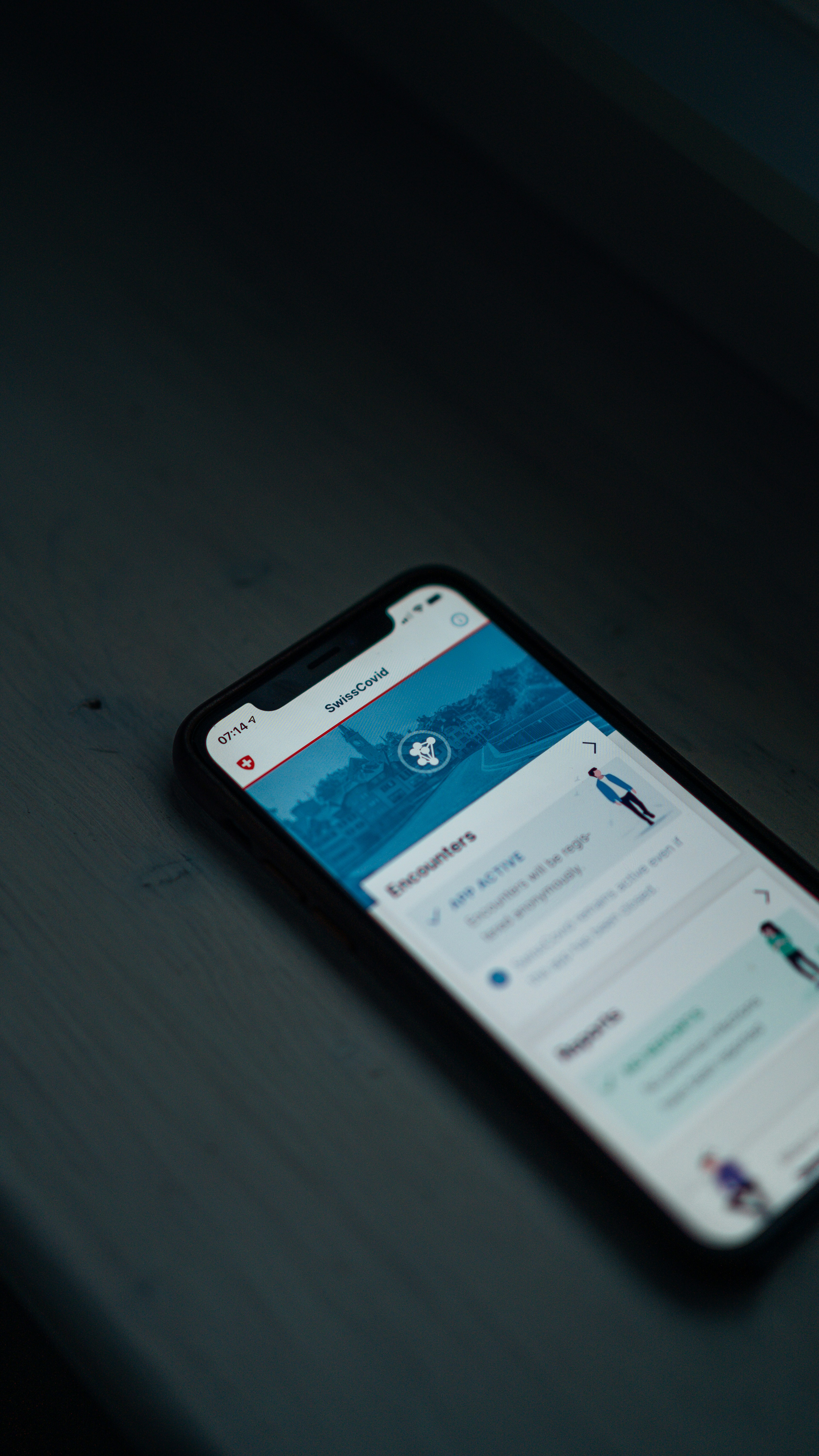
Introduction: Embracing Mobile Health Apps
In recent years, the proliferation of mobile health apps has marked a significant shift in the landscape of personal health management. These applications encompass a wide array of functions, ranging from tracking physical activity and monitoring nutrition to managing chronic conditions and facilitating mental wellness. As smartphone usage continues to rise, powered by advancements in technology and accessibility, health apps have emerged as invaluable tools for individuals seeking to take charge of their well-being.
Mobile health applications provide users with unprecedented access to their personal health information at their fingertips. This instant accessibility promotes proactive health management, enabling individuals to monitor their vital signs, set fitness goals, and even consult with healthcare professionals remotely. The ability to harness data-driven insights fosters a greater understanding of one’s health status and encourages sustained health-related behavior changes.
Moreover, the rapid growth of these applications has resulted in tailored approaches to healthcare. From fitness trackers to mental health support, health apps cater to diverse needs, making them a central part of contemporary health and wellness strategies. Their convenience allows individuals to easily integrate health monitoring into daily routines, fostering adherence to wellness practices. As society increasingly embraces digital solutions, the role of health apps becomes more pronounced. They serve not only as sources of information but also as platforms for motivation and accountability, driving users towards achieving their health objectives.
In summary, mobile health apps represent a revolutionary step forward in personal healthcare, providing essential tools for self-management while making health information more accessible than ever. As reliance on these applications grows, so too does the potential for enhanced health outcomes, paving the way toward a more informed and engaged society in health matters.
Types of Health Apps: A Comprehensive Overview
Health apps have gained immense traction in the digital age, offering various functionalities that cater to diverse health and wellness needs. Among the most prominent categories of these applications are fitness trackers, sleep monitors, nutrition guidance, and mental health support apps.
Fitness trackers, such as MyFitnessPal and Fitbit, enable users to monitor physical activity levels, set fitness goals, and track metrics such as calories burned, steps taken, and heart rate. These apps often integrate with wearable devices to provide real-time feedback, promoting an active lifestyle. By employing gamified elements and progress tracking, these tools encourage users to remain engaged and motivated.
On the other hand, sleep monitors like Sleep Cycle and Pillow analyze sleep patterns, providing insights into sleep quality and duration. Users can benefit from personalized recommendations for improving their sleep hygiene, thereby enhancing their overall health. These apps utilize sound analysis and motion tracking to evaluate sleep stages, assisting individuals in recognizing factors affecting restfulness.
Nutrition guidance apps, including Lose It! and Yummly, offer users tailored meal plans and tracking features for their dietary intake. By analyzing food choices and caloric consumption, these applications help individuals achieve nutritional goals, whether that be weight loss, muscle gain, or maintaining a balanced diet. The inclusion of barcode scanners streamlines food logging and enables users to make informed choices based on their nutritional needs.
Lastly, mental health support apps such as Headspace and Calm promote mindfulness through meditation and relaxation techniques. These platforms often feature guided sessions tailored to users’ preferences, fostering emotional well-being. By tracking mood patterns and providing coping strategies, they offer valuable support for managing stress and anxiety.
In conclusion, the diverse range of health apps available today empowers users to take charge of their health through technology. Each type contributes significantly to health outcomes, promoting awareness, accountability, and positive lifestyle changes.
The Benefits of Digital Health Tools
Digital health tools, particularly health applications, have been increasingly recognized for their ability to transform the way individuals approach their well-being. One of the primary advantages these apps offer is enhanced convenience. Users can access a wealth of health-related information and resources from the palm of their hands. This immediate availability allows individuals to monitor their health conditions, track their fitness activities, and even manage chronic diseases without necessitating constant visits to healthcare facilities.
Moreover, health apps contribute significantly to improving health literacy among users. Many applications provide educational resources that help users better understand various aspects of their health and wellness, from nutrition to mental health. This empowerment is crucial as individuals who are well-informed can make educated decisions concerning their health and lifestyle modifications. For example, some apps provide insights into the nutritional value of food or suggest tailored fitness programs based on individual health profiles.
Another vital benefit is the motivation these digital tools provide to maintain a healthy lifestyle. Many health applications incorporate gamification elements, encouraging users to set goals and achieve milestones. This engaging approach not only fosters a sense of accomplishment but also encourages consistency in health-related activities. Furthermore, digital health tools often facilitate communication between patients and healthcare providers, allowing for real-time feedback and support. This interaction enhances user accountability and creates a collaborative ecosystem in which users can actively participate in their health management.
In essence, the incorporation of health apps into daily life promotes a proactive approach to health. By empowering users to take charge of their own wellness journey, these applications have undeniably revolutionized our overall approach to care, making significant impacts on individual health outcomes.
Limitations and Privacy Concerns with Health Apps
While health apps are integral to modern healthcare, they are not without limitations and privacy concerns that users need to be aware of. One of the primary issues is the manner in which personal data is handled. Many users may not realize that the sensitive information they input can be susceptible to breaches if adequate security measures are not in place. Hackers can target these apps to access health records and related data, leading to potential identity theft and unauthorized use of personal health information.
Moreover, the proliferation of health apps has raised questions regarding the credibility of the information these platforms provide. Some apps may inadvertently promote misinformation, either through inaccuracies in their algorithms or through user-generated content. This can pose dangers for users who rely solely on these apps for medical decisions, potentially leading to adverse health outcomes. As a result, individuals should exercise caution and seek guidance from qualified healthcare providers when interpreting the information provided by health apps.
To safeguard against these concerns, users are encouraged to take proactive steps to protect their personal information. This includes reviewing terms of service for data protection clauses, utilizing robust passwords, and enabling two-factor authentication where available. Furthermore, users should be discerning about the health apps they choose, favoring those that are compliant with regulations provided by entities like the Health Insurance Portability and Accountability Act (HIPAA) in the United States. Such regulations are pivotal in ensuring the protection of health data and require compliance from app developers.
In conclusion, while health apps present numerous advantages in terms of accessibility and convenience, awareness of their limitations and privacy concerns is essential for users. By understanding the risks and employing protective measures, users can better leverage these technologies while safeguarding their health information.
Conclusion: The Future of Health Apps and Our Health Management
In recent years, health apps have profoundly influenced our approach to personal wellness and healthcare management. The integration of technology into our daily health routines has allowed individuals to access vital resources and support at their fingertips. From tracking physical activity and monitoring dietary intake to providing mental health support and medication reminders, health apps are becoming indispensable tools in promoting healthier lifestyles.
As we look towards the future, it is evident that the evolution of health apps will continue to pave the way for more personalized and efficient healthcare solutions. The incorporation of advanced features such as artificial intelligence and machine learning is expected to enhance user experience and engagement. These technologies will facilitate tailored health insights, making it easier for users to navigate their unique health journeys. Furthermore, shared data across platforms enables a more comprehensive health overview, empowering users to take control of their well-being.
However, it is essential for individuals to remain discerning about the health apps they choose to incorporate into their lives. The effectiveness and safety of an app largely depend on its design and underlying research. Users should prioritize evidence-based apps that are backed by scientific research and designed in collaboration with health professionals. Staying informed and critically evaluating app offerings will ensure that individuals maximize the benefits while minimizing potential risks to their health data and privacy.
In conclusion, health apps hold significant potential to transform how we manage our wellness. They offer innovative solutions to enhance our everyday health experiences, encouraging users to adopt more mindful practices. Embracing digital wellness through thoughtfully chosen applications will help us navigate our health landscapes more efficiently, leading to a more proactive approach toward personal care and overall health management.